The Power Behind Performance: Understanding Boosted Engine Technology in Modern Vehicles
In the high-octane world of automotive performance, boosted engines stand as a testament to human ingenuity and engineering prowess. These powerhouses are engineered to extract every ounce of potential from an internal combustion engine by compressing air before it enters the cylinders. This process significantly increases torque output without requiring a larger engine size.
From turbocharged sports cars to supercharged muscle machines, boosted engines have become synonymous with speed, efficiency, and innovation. They offer drivers a thrilling blend of raw power and fuel economy that traditional naturally aspirated engines cannot match. As we delve deeper into their mechanics, applications, and benefits, you’ll discover why these technologies continue to redefine what’s possible on both racetracks and highways.
How Boosted Engines Work: The Science of Air Compression
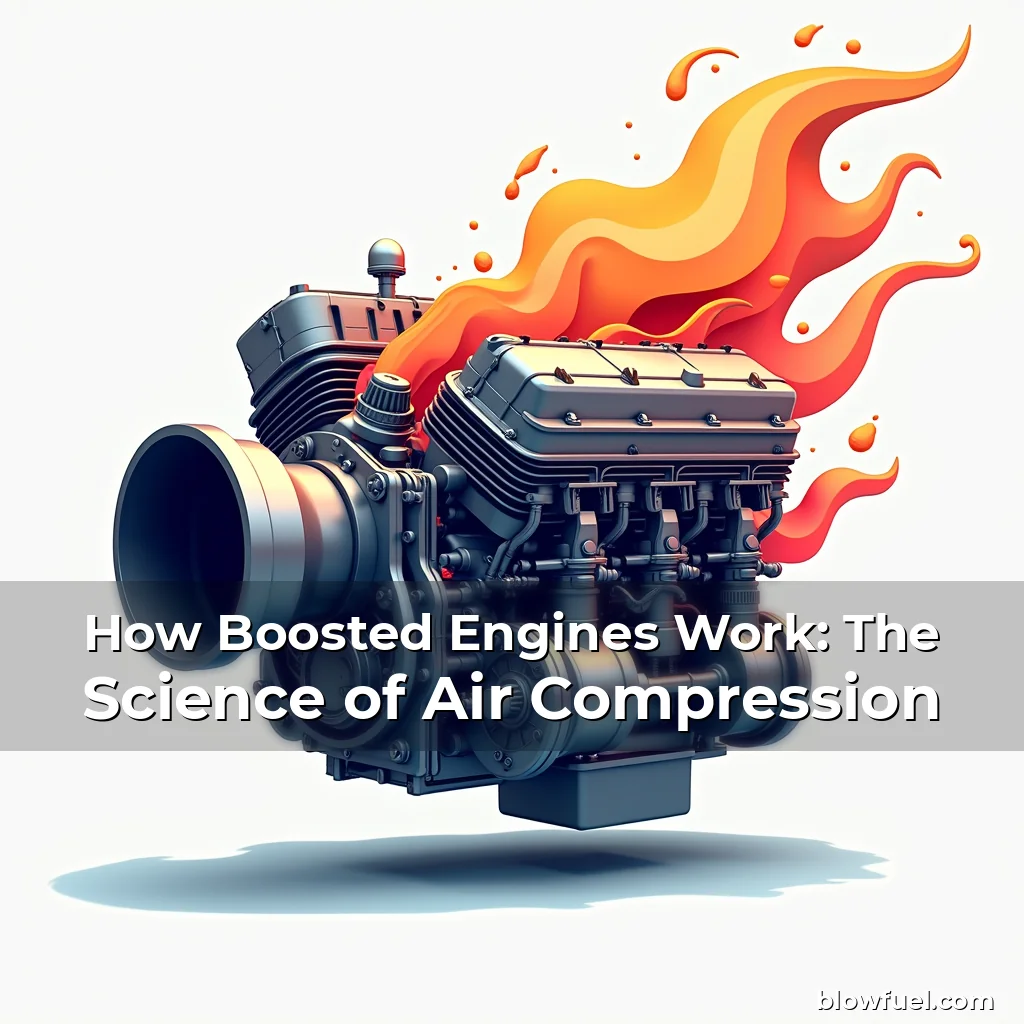
At its core, boosting technology relies on forced induction systems that compress ambient air prior to its entry into the engine’s intake manifold. This compressed air is then mixed with fuel and ignited within each cylinder, creating a powerful explosion that drives the pistons down.
The key difference between turbocharging and supercharging lies in how they achieve this compression. Turbochargers use exhaust gases to spin a turbine connected to a compressor wheel, while superchargers rely on direct mechanical linkage driven by the crankshaft itself.
- Turbochargers: Utilize waste heat energy from exhaust gasses through a turbine-spinning mechanism.
- Superchargers: Employ belt-driven compressors that draw air at higher pressures than atmospheric levels.
Both methods result in increased volumetric efficiency – allowing more oxygen molecules per unit volume inside the combustion chamber which translates directly into greater horsepower production capabilities when combined with additional fuel injection rates.
This increase in available oxygen enables engineers to design smaller yet equally potent engines compared to non-boosted counterparts. Smaller displacement units also tend towards better thermal management characteristics due reduced surface area exposed during operation cycles.
Mechanical Components Involved In Forced Induction Systems
A typical boosted engine setup consists of several crucial components working together harmoniously under intense operating conditions. These parts must withstand extreme temperatures fluctuations along side significant pressure differentials encountered throughout normal usage scenarios.
The heart of any such system is usually found within either the turbocharger or supercharger assembly itself depending upon chosen method employed by manufacturer/enthusiast alike. Supporting hardware includes intercoolers designed specifically for cooling hot compressed charge air before entering final stage processing stages.
Belt-driven systems require robust pulley arrangements capable handling heavy loads imposed during acceleration phases whereas exhaust-driven variants necessitate durable tubing materials resistant against corrosion caused by chemical exposure inherent within emitted fumes.
Additionally there exists numerous ancillary elements including wastegates used regulate boost levels preventing over pressurization situations potentially damaging delicate engine internals if left unchecked. Sensors monitor various parameters providing real-time feedback necessary maintaining optimal performance standards continuously.
Detailed Breakdown Of Key Parts And Their Functions
The intercooler plays a critical role in mitigating temperature spikes associated with compressed air entering the intake tract after being processed through either turbo or super charging mechanisms. By reducing inlet temperatures below ambient values typically achieved via external heat exchange processes involving coolant circulation or ambient airflow contact surfaces.
Modern intercoolers often feature layered aluminum construction offering excellent thermal conductivity properties alongside lightweight advantages beneficial for overall vehicle dynamics considerations particularly noticeable during track events where weight distribution becomes paramount factor influencing lap times.
Wastegates function primarily serve dual purposes; first limiting maximum achievable boost pressure thresholds set forth during calibration procedures secondly acting secondary exhaust routing pathway alleviating backpressure issues arising form excessive flow restriction within primary piping configurations.
These valves operate mechanically using spring-loaded diaphragms responsive pressure changes occurring across respective ports ensuring precise control maintained even amid fluctuating driving condition variables affecting operational requirements dynamically.
Sensors integrated throughout entire forced induction framework provide continuous monitoring essential sustaining peak performance metrics consistently regardless environmental variances faced daily commutes versus weekend autocross sessions alike.
Performance Benefits Offered Through Engine Boosting Techniques
One of most immediate tangible rewards derived from implementing boosted configurations revolves around enhanced low-end torque responses facilitating quicker acceleration off line situations commonly experienced urban environments featuring frequent stop-and-go traffic patterns.
Improved throttle response stems largely from ability maintain consistent air/fuel ratios despite rapid demand shifts originating foot position variations behind steering wheels resulting smoother transitions between cruising speeds versus sudden bursts required merging onto freeways.
Moreover, these setups enable manufacturers create compact powerplants delivering comparable outputs relative traditionally larger unaided versions thereby contributing efforts global initiatives targeting reduction carbon emissions footprint attributable transportation sector.
Efficiency gains realized through intelligent utilization excess exhaust energies otherwise discarded represent another compelling advantage favoring adoption widespread application amongst both OEM producers aftermarket tuners seeking maximize returns invested resources allocated development projects.
Applications Across Various Vehicle Types
Automotive manufacturers extensively utilize boosting methodologies across diverse segments ranging compact passenger sedans up high-performance exotics showcasing versatility underlying fundamental principles governing forced induction operations.
Compact vehicles benefit greatly from downsizing strategies enabled through incorporation turbo/supercharging solutions allowing achieving desirable power figures utilizing smaller displacement units simultaneously improving fuel consumption ratings appealing eco-conscious consumers looking balance performance expectations sustainability goals.
SUVs leverage similar techniques producing adequate pulling capacities hauling heavier payloads while retaining maneuverability characteristic lighter alternatives would otherwise struggle accommodating.
Exotic sports car builders push boundaries employing twin-turbo arrangements multi-stage compression architectures maximizing top end velocities attainable under full throttle applications without sacrificing reliability expected endurance racing disciplines demanding sustained high load operations.
Economic Considerations Regarding Installation Costs And Maintenance Requirements
While initial investment associated upgrading stock powertrain assemblies toward boosted configuration remains considerable figure deterring casual enthusiasts contemplating modifications merely personal gratification rather genuine necessity meeting specific functional objectives.
Cumulative expenses encompass not only component acquisition costs themselves but also professional installation fees prerequisite ensuring correct integration existing infrastructure avoiding detrimental effects improper implementation might cause long term degradation mechanical integrity.
Ongoing maintenance obligations escalate proportionately complexity introduced additional hardware pieces susceptible failure modes previously absent simpler non-boosted drivetrains. Regular inspection intervals shortened frequency servicing recommended preventing catastrophic breakdown incidents traceable neglect preventive measures.
Despite upfront outlay implications involved transformation standard propulsion systems advanced configurations, many find justification justified through increased resale value appreciation observed marketplaces exhibiting strong demand among collectors discerning buyers prioritizing modified examples demonstrating superior engineering execution.
Potential Drawbacks And Limitations Associated With Using Boosted Engines
No technological advancement devoid drawbacks whatsoever; similarly applies case boosted engine implementations despite multitude benefits enumerated earlier. Principal concern centers longevity concerns stemming heightened stress placed upon constituent parts subjected continuous operation elevated temperature regimes.
Pistons rings especially prone premature wear accelerated oxidation processes initiated prolonged exposure enriched oxygen concentrations prevalent boosted environments. Cylinder walls may experience accelerated erosion phenomena exacerbated presence particulate matter infiltrate combustion chambers through imperfect filtration mechanisms inadequate sealing provisions.
To mitigate these risks, meticulous attention must be given regular maintenance schedules incorporating specialized oil formulations possessing enhanced thermal stability attributes capable coping extended service intervals subjected rigorous thermal cycling cycles typical boosted operation sequences.
Engine block reinforcements become mandatory prerequisites whenever considering increasing boost pressures beyond original equipment specifications ensuring structural adequacy withstand augmented mechanical stresses resultant intensified combustion forces unleashed expanded air volumes injected intake tracts.
Fuel Efficiency Implications On Emissions Profiles Under Different Driving Conditions
Although initially perceived purely performance enhancement toolset, modern boosted engine designs increasingly integrate sophisticated emission control systems addressing environmental regulations becoming stricter worldwide jurisdictions.
Catalytic converters remain integral aspect exhaust treatment protocols neutralizing harmful pollutants generated combustion reactions irrespective whether natural aspiration utilized versus assisted methods relying external pressurization sources.
However, variable valve timing technologies coupled lean burn strategies emerge prominent features contemporary boosted platforms aiming optimize fuel economy targets aligning corporate responsibility mandates reducing greenhouse gas contributions attributable vehicular transport industry sectors.
Real-world testing indicates improved mileage estimates achievable through intelligent management air-fuel mixture ratios calibrated according instantaneous demands dictated driver inputs sensor array readings gauging road conditions prevailing momentary circumstances.
Future Trends In Boosted Engine Development And Emerging Technologies
As automotive technology continues evolving rapidly, researchers and developers are exploring innovative ways to enhance boosted engine performance while minimizing environmental impact. One promising avenue involves integrating electrically powered assist devices alongside conventional turbocharger setups enhancing responsiveness characteristics eliminating lag associated traditional turbine spooling periods.
Variable geometry turbines represent another exciting frontier enabling dynamic adjustment vane positions optimizing airflow profiles matching varying RPM ranges effectively broadening usable powerband curves accessible operators desiring versatile performance envelopes spanning wide rpm spectra.
Further advancements anticipate introduction hybridized approaches combining aspects both turbocharging supercharging methodologies capitalizing strengths inherent each technique circumventing weaknesses isolated singular solution paths pursuing holistic optimization outcomes pursued industry leaders striving excellence sustainable mobility solutions.
With growing emphasis placed electrification movement sweeping across automotive landscape, expect continued refinement electronic control modules managing intricate interactions countless sensors actuators embedded throughout complex network systems orchestrating seamless coordination vital successful deployment next generation boosted powertrains.
Conclusion
Boosted engines represent pinnacle achievements modern engineering discipline blending art science crafting machines capable unleashing extraordinary amounts power efficiently sustainably. Whether through turbocharging supercharging routes, these technologies empower designers build compact mighty performers satisfying diverse consumer needs preferences.
If you’re considering enhancing your ride with boosted engine technology, remember that careful research, quality components, and professional installation are essential steps toward unlocking your vehicle’s true potential safely reliably. Embrace the challenge and enjoy the thrill of performance redefined!
“`